- Customer group: Guest
-


- Register
- Login
- Your account
- Home

- Details
Products description
Experience with Astronomik ProPlanet 642 BP IR-Pass filter on the Moon
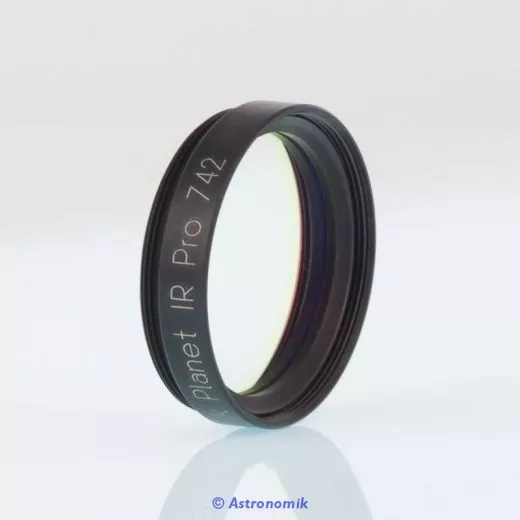
My first experience with the IR-Pass filter.The filter is used for image-based IR photography, high-resolution lunar and planetary photography, and deep-sky astrophotography of H-alpha nebulae. The filter offers three filters in one, depending on the camera used.
1. IR photography with a digital camera
2. It reduces seeing and improves contrast in planetary and lunar imaging.
3. An affordable H-alpha filter for getting started with deep-sky astrophotography of H-alpha nebulae.
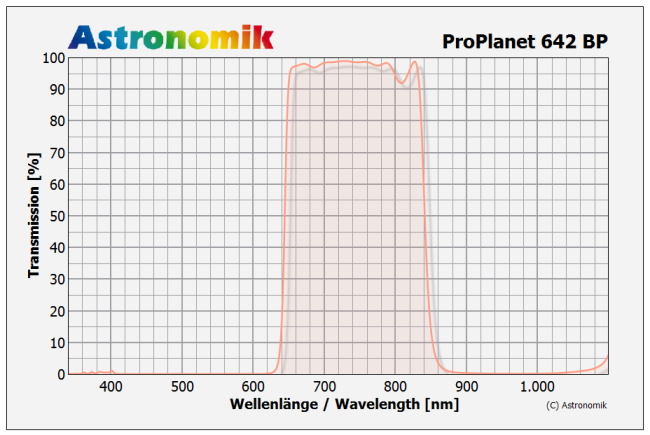
"BP" is an abbreviation for "Bandpass": The filter opens at 642nm and closes again at 842nm, blocking long-wave infrared radiation, unlike the other two Pro Planet filters. It reduces seeing and enhances contrast in high-resolution planetary and lunar photography. The filter screws into the front of the camera's lens barrel. It is available in 1.25" and 2" sizes. I tested it with the ASI 120 MCS and the Celestron Maksutov Custom 127/1500 telescope.
Examples on the Moon with the same equipment:
Without filter
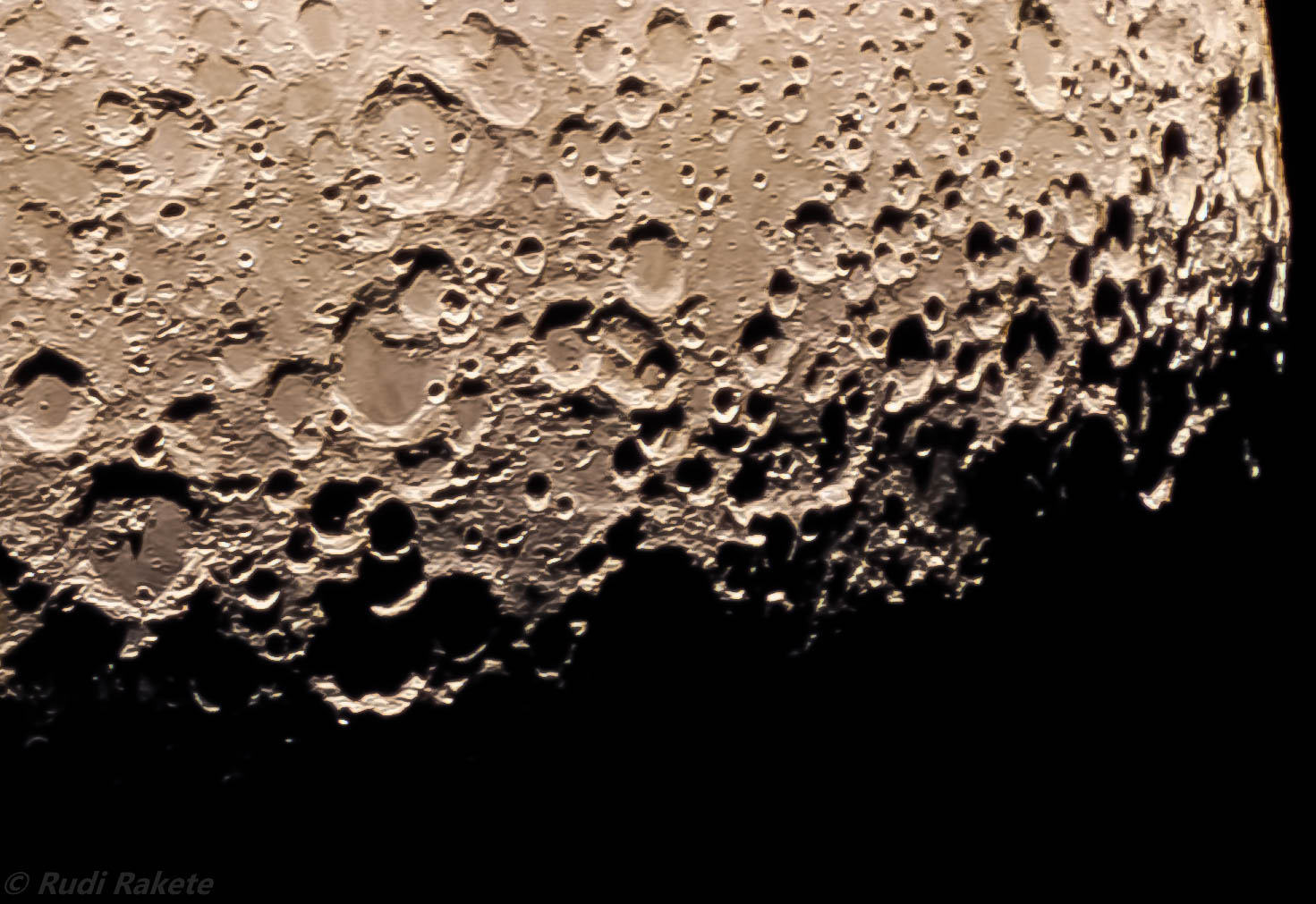
Mit Filter :
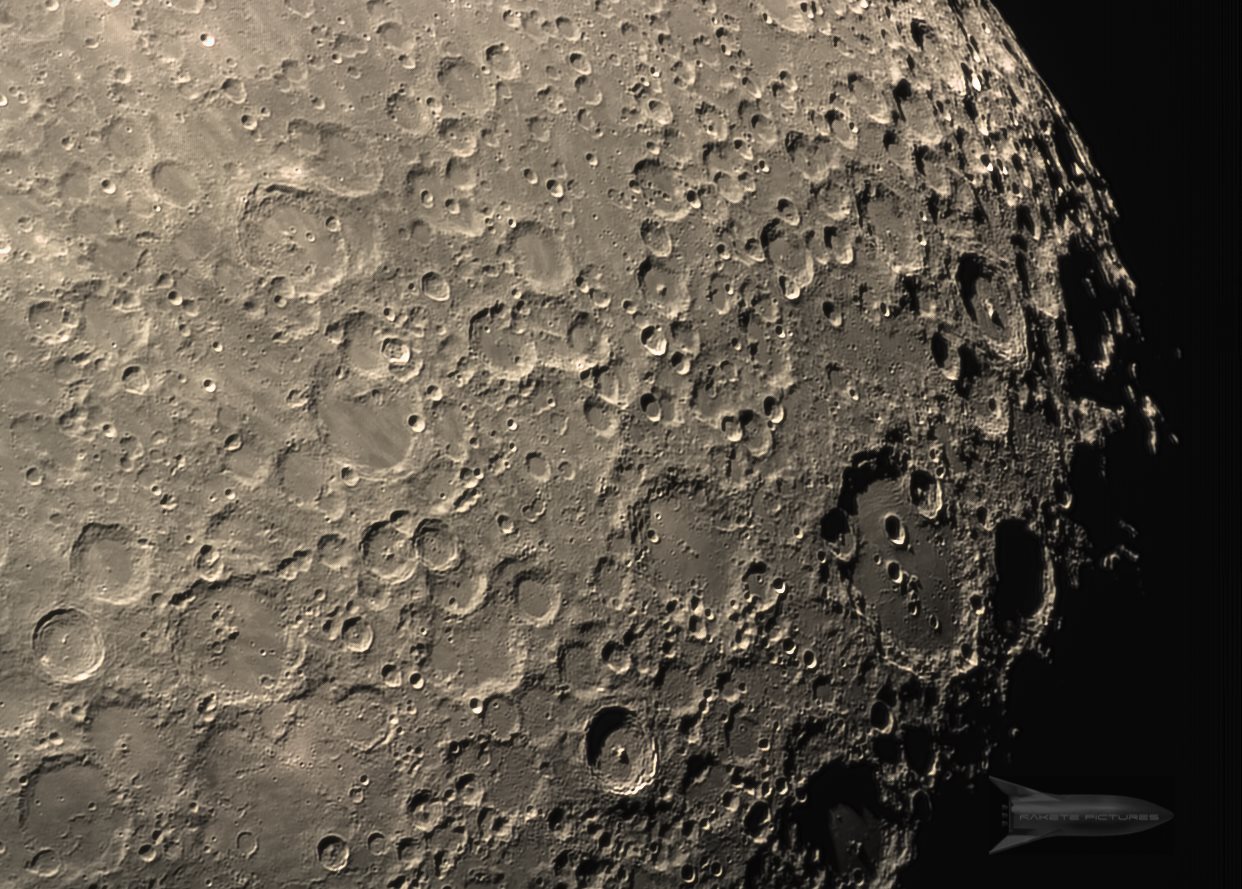
The seeing was slightly better for this image, and the images weren't taken on the same day.
No filter.
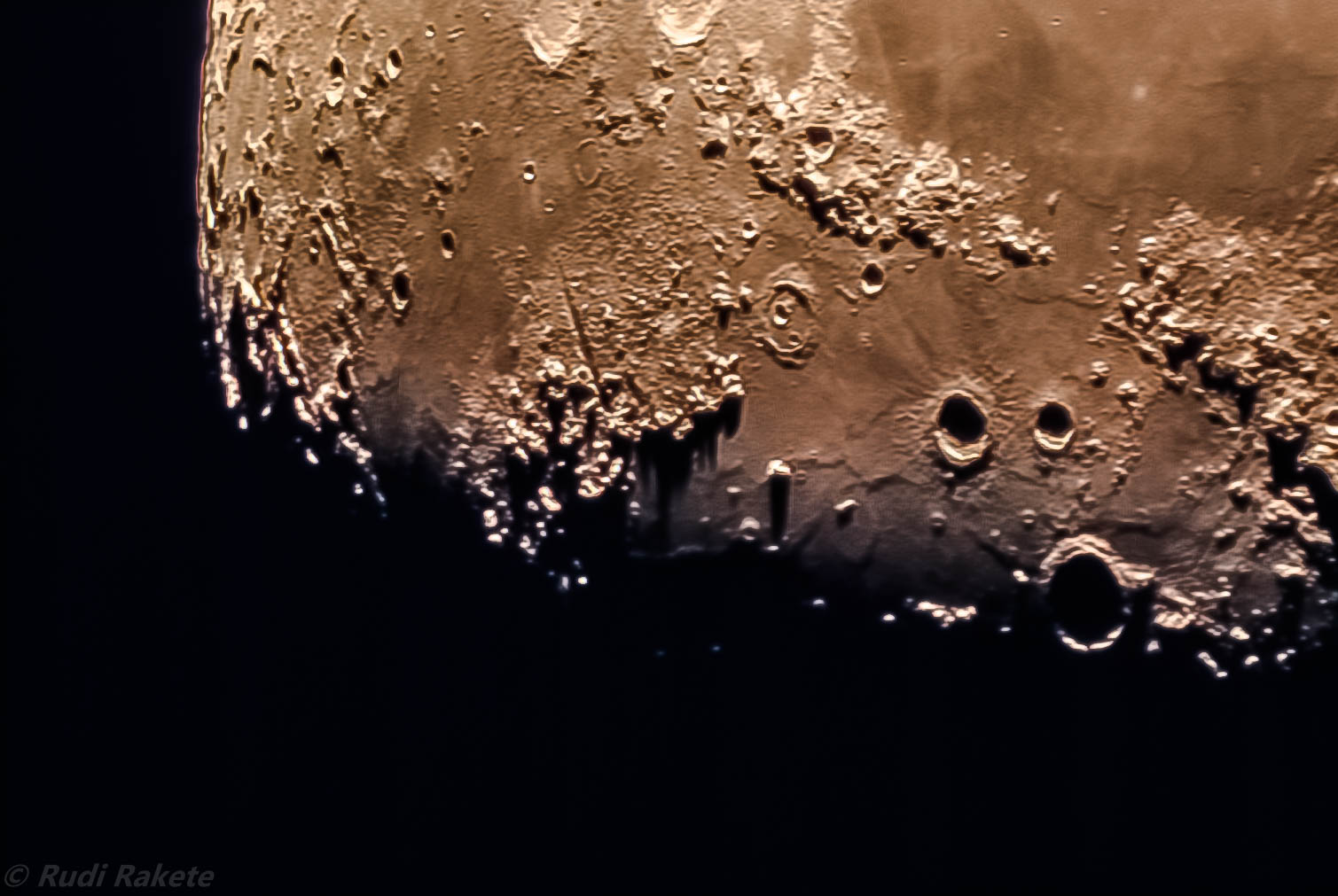
With filter
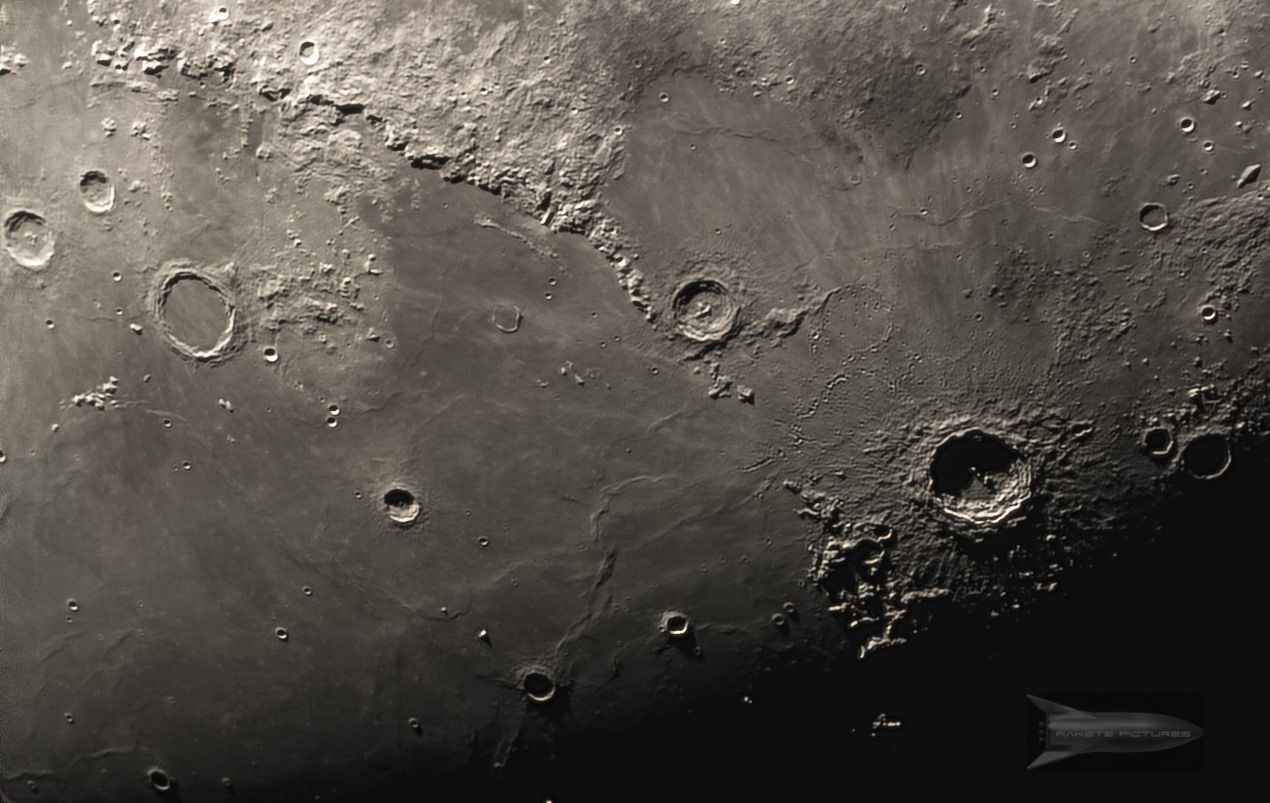
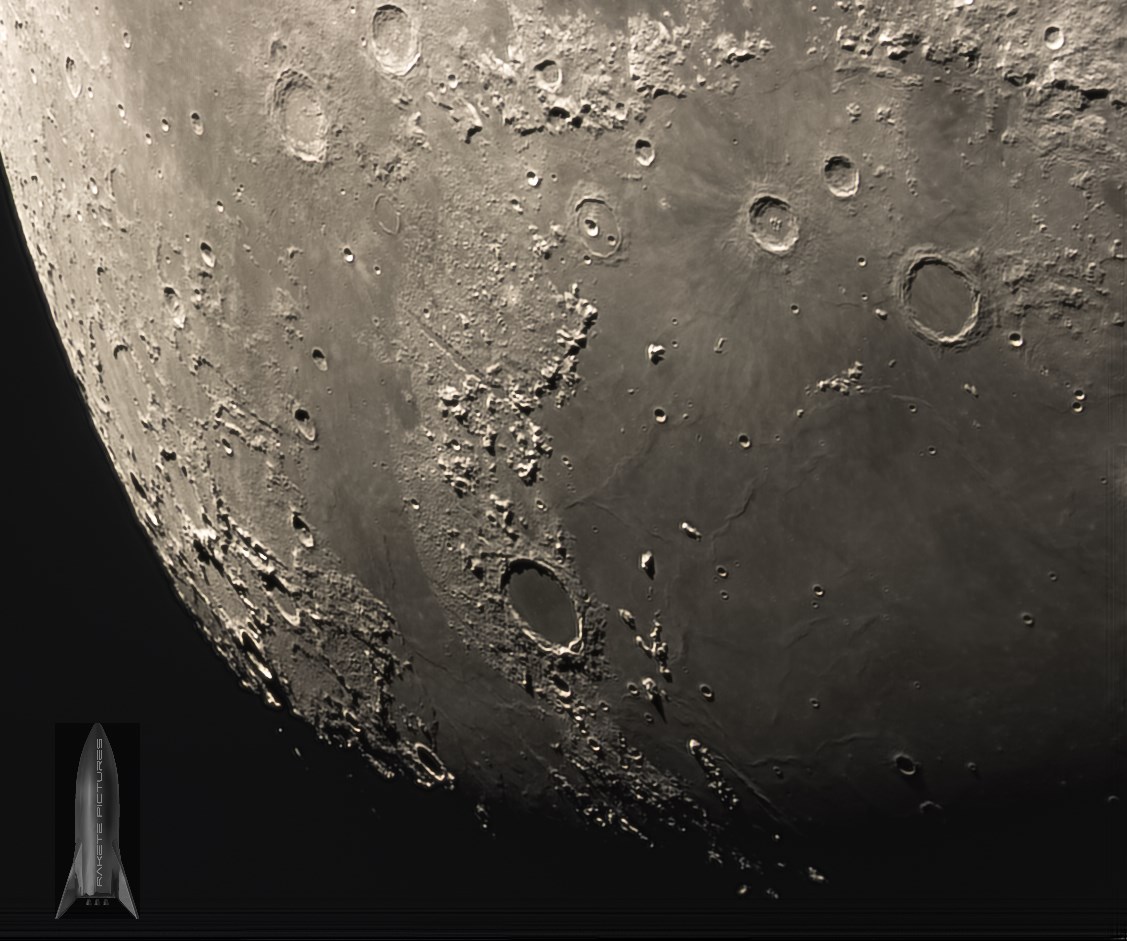
I was surprised by the filter's effect. The seeing improved, and it reduced atmospheric turbulence by about 30-40%. The contrast and clarity are definitely better. This filter is ideal for 5-6 inch telescopes and larger; there are others for larger apertures. For these shots, I removed the IR cut filter from the ASI (it's a small filter disc that sits on a rubber base over the sensor. Unscrew it, remove it, and you're done).
The Astronomik ProPlanet 642BP is a bandpass filter that allows almost only infrared light to pass through. You CANNOT take true RGB images with this filter; for that, you would need to use an L-filter, which blocks IR. Then the RGB Bayer matrix on the camera's sensor would work, and you would get a color image. Using both IR-pass and IR-block filters in one shot makes little sense. It would be simpler to leave the cap on the lens...
Regards, Rudi Rakete
This Product was added to our catalogue on 18/06/2019.

Die Box kann unter tpl_modified/boxes/box_miscellaneous.html verändert werden. Die Sprachvariablen befinden sich in der Datei tpl_modified/lang/german/lang_german.custom.